

Hybrid and Electric Range
Hybrid or Electric explained
With a wide range of models now available, eco-conscious motoring has never been so accessible. Learn more about electric and hybrid vehicles here, and find out what benefits they bring. Electrified vehicles come in several different forms, each with its own advantages. Discover which is best for you today.
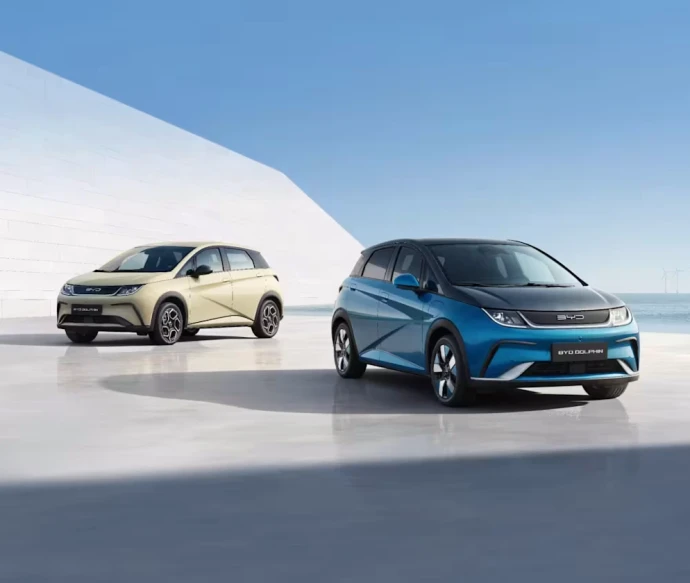
Electric
Electric vehicles (EVs) replace a combustion engine with a battery pack and electric motor. Instead of refuelling, you recharge at home or at a public charging point – for a fraction of the cost of fuel.
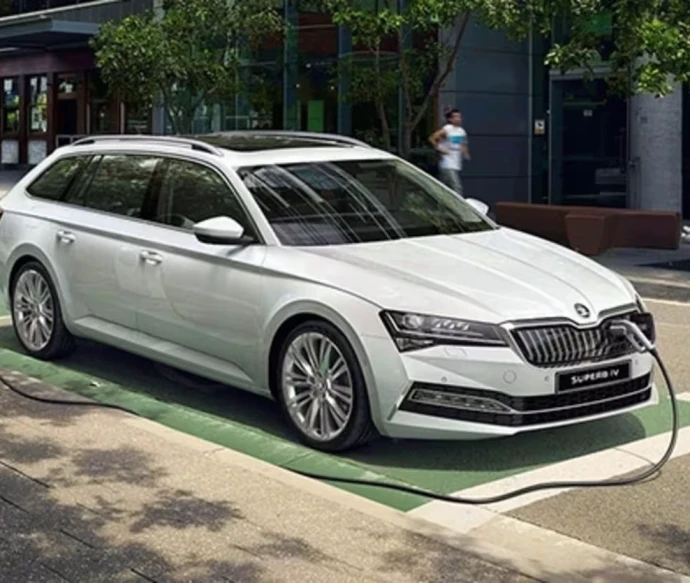
Plug-In Hybrid
Plug-in hybrids offer the best of both worlds, combining a combustion engine with an electric motor. They’re typically capable of covering 25-40 miles on electric-only power, and produce significantly lower CO2 emissions.
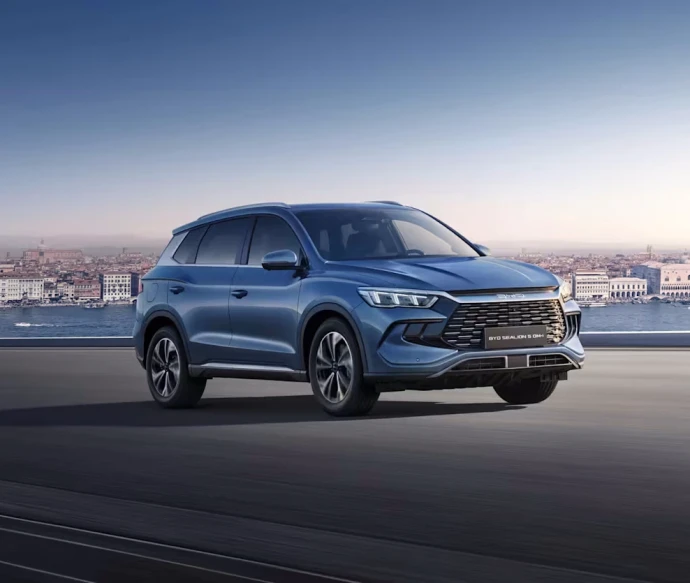
Mild Hybrid
If you’re not quite ready for a plug-in vehicle, a mild hybrid offers lower emissions and better fuel economy thanks to its small battery and electric motor. Performance gets a boost too.
Our next generation Electric & Hybrid range
Discover the next generation line up.
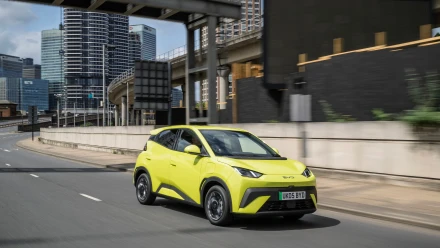
The BYD DOLPHIN SURF has Range up to 200miles WLTP combined, Fast charge in 22min - 30%-80%.
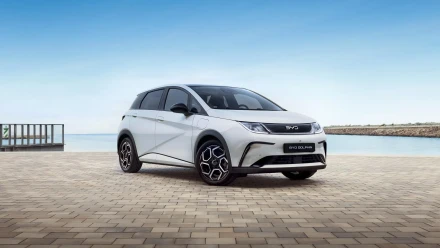
The BYD DOLPHIN electric hatchback Up to 265mi WLTP combined range, 0-62 mph(s) in just 7seconds, and 201HP Max. power.
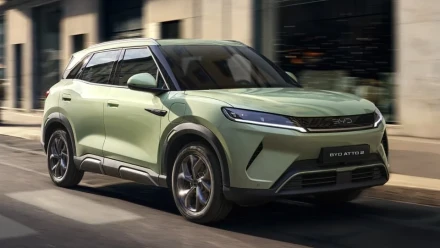
BYD ATTO 2 is a smart, all-electric compact SUV designed for everyday versatility and efficiency. With a WLTP combined range of up to 267 miles*, it’s built to go further on a single charge, while delivering smooth, responsive performance.
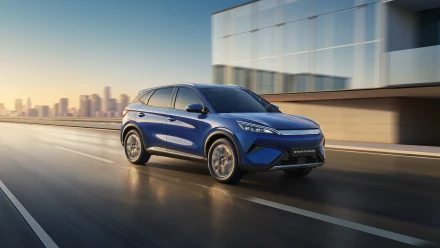
The BYD ATTO 3 is a dynamic all-electric C-SUV, offering 0–62 mph in 7.3 seconds, up to 260 miles of range, and efficient performance at 3.88 mi/kWh.
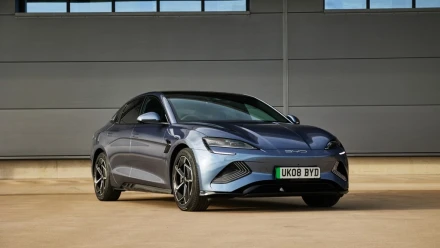
The BYD SEAL is a dynamic, intelligent electric saloon, delivering 0–62 mph in 3.8 seconds, up to 354 miles of range, and powered by an 82.5 kWh battery.
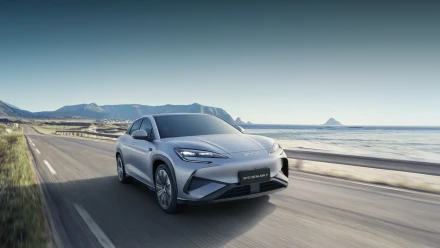
The BYD SEALION 7 is a high-performance electric SUV, featuring a 23,000 rpm motor, a top speed of 133 mph, and a battery capacity of up to 91.3 kWh.
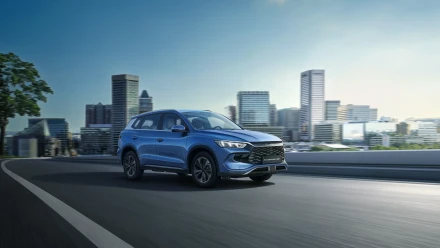
The BYD SEALION 5 DM-i is a super hybrid SUV offering up to 631 miles of combined WLTP range, up to 53 miles of electric driving, and a spacious 1,410 L boot with the rear seats folded
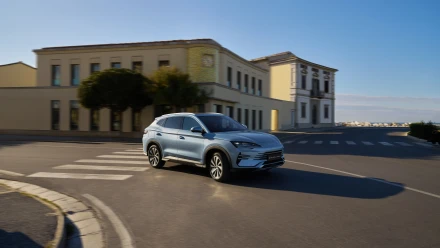
The BYD SEAL U DM-i is a versatile hybrid SUV, delivering up to 699 miles of combined range, 78 miles of electric driving, a 26.6 kWh battery, and 0–62 mph in 5.9 seconds (AWD).
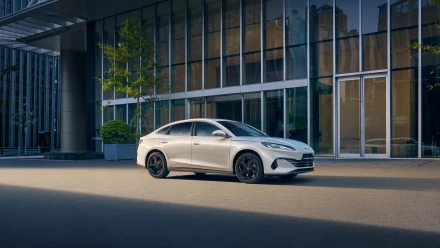
The BYD SEAL 6 DM-i is a plug-in hybrid saloon, offering up to 935 miles of combined range, up to 65 miles of electric driving, and advanced ADAS technology built in.
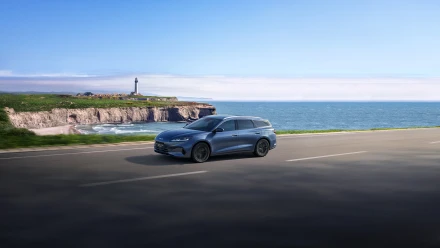
The BYD SEAL 6 DM-i is an advanced plug-in hybrid saloon, delivering up to 935 miles of combined range, up to 65 miles of electric driving, and intelligent ADAS technology as standard.
What Our Customers Say
Frequently Asked Questions
Lots of customers have questions about making the switch to an electric or hybrid vehicle. Below, you’ll find answers to some of the most commonly asked questions, but if you’d like more information, don’t hesitate to give our friendly team a call.
A fully installed home charging point price starts from £449 with the government OZEV grant. The Electric Vehicle Homecharge Scheme supports up to 75% of the cost, capped at £350 including VAT, off the installation price.
We always recommend checking how far your Electric Vehicle can travel and to include service centres with en route chargers when planning your journey.
The average electricity rate is 17p per kWh, which means you can charge your car for as little as 4p per mile.
An Electric Car runs on and is charged up with electric. An Hybrid car is powered by an internal combustion engine and an electric motor, hybrid cars don't need to be plugged in to charge the battery. Instead, the battery is charged through regenerative braking and by the internal combustion engine.
Yes, like all cars electric vehicles are just as safe to drive through “wading depth water ” which is listed in the manufacture hand book.
You can also drive or charge your electric car in the rain.
Electric cars accelerate much faster than petrol or diesel cars. Most modern EVs have a top speed of between 90mph and 120mph.
The plug-in car grant can help you save money by knocking up to £2,500 off the upfront cost of a low-emission vehicle. To be eligible for the grant, cars must cost less than £35,000. This is the recommended retail price (RRP), and includes VAT and delivery fees.
Hybrid & Electric Benefits
Find out more about the benefits of driving electric-powered car
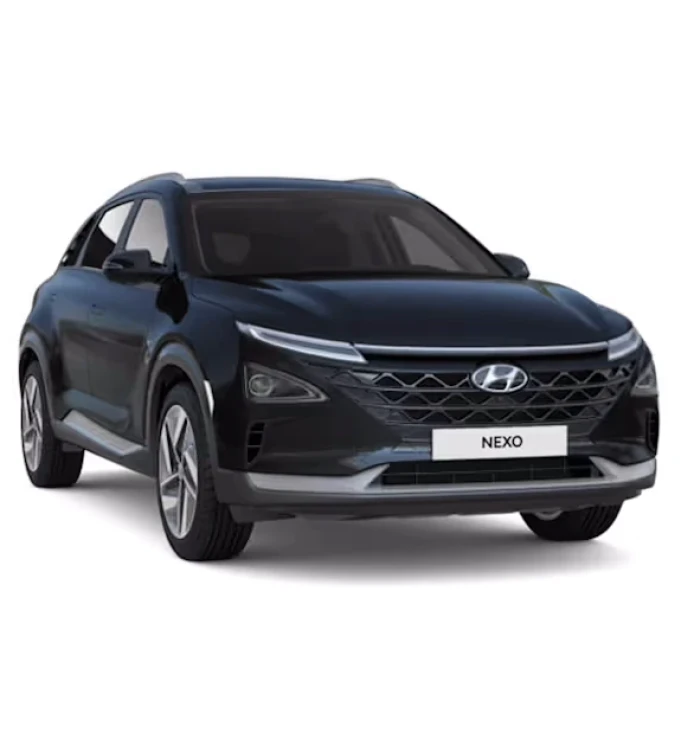
Choosing an electric or hybrid car is great for the environment, helping to lower our collective carbon footprint. But there are lots of other advantages too. Running costs are much cheaper, for example, with UK electricity rates averaging just over 16p per kWh in 2021. That means topping up to 100 miles of range costs less than £3.40. Plus, because emissions are lower, you’ll pay less road tax, and with fewer moving parts under the bonnet, servicing is more affordable. Not only that, the instant torque produced by the electric motor results in dynamic performance and swift acceleration.
How to charge
Find out how to charge your electric or hybrid vehicle
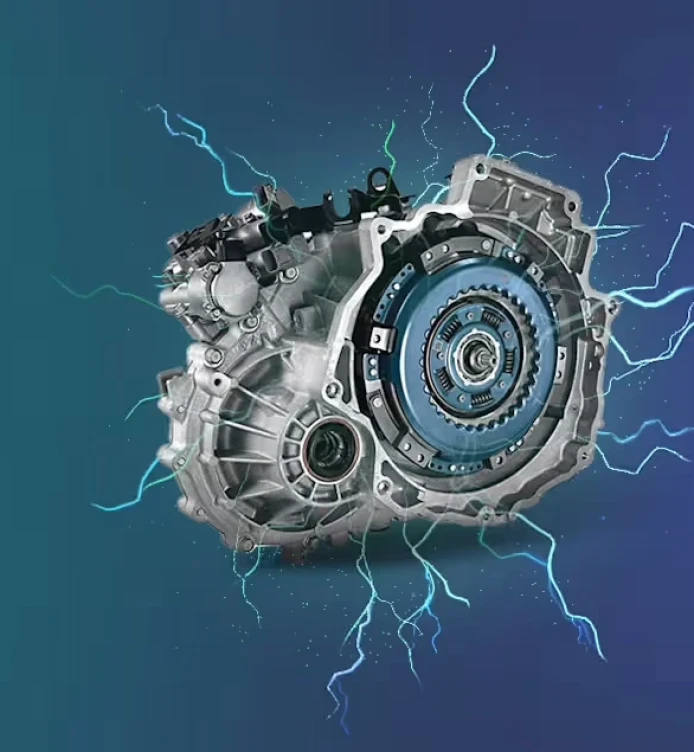
Charging is easy, whether you’re at home or on the go. At home you can use a standard three-point socket or a home charging point, which can be fully installed from £449 with the government OZEV grant. A home charging point or Wallbox is preferable for many motorists, as they dramatically reduce charge times. When you’re out and about, you can charge at a public point at your local supermarket, gym, cinema, or shopping centre. These usually offer 7kW charging, giving you 20-30 miles of range per hour. Motorway services have rapid charging points too, for which the cost is slightly higher.