

What is Nev?
NEV stands for ‘New Energy Vehicle’
In recent years, electric cars have become increasingly common on our roads. Most people know them as EVs, but there’s another term you might not be familiar with — NEV.
Don’t mix it up with ‘neighbourhood electric vehicle’ — NEV actually stands for ‘New Energy Vehicle.’ It’s a broader term that covers all kinds of electric vehicles, from fully battery-powered cars to plug-in hybrids.
As the world’s leading NEV maker, BYD is in a great position to break down everything you need to know about these vehicles. Let’s dive into the different types of NEVs and the benefits they bring.

Battery Electric Vehicle (BEV)
Battery-electric vehicles run entirely on electricity. They use a battery to power an electric motor, which moves the car. You charge the battery by plugging the vehicle into a home charger or a public charging station. Since there’s no traditional engine, these cars produce zero exhaust emissions.
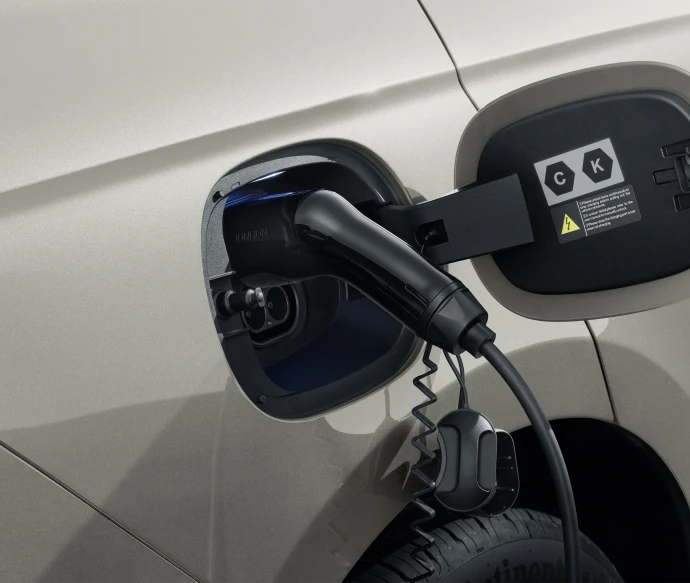
Plug-in Hybrid Electric Vehicles (PHEV)
A PHEV, or plug-in hybrid electric vehicle, is another type of NEV. It combines an electric motor with a traditional internal combustion engine. Most of the time, it runs on electricity — and when the battery runs out, the gas engine kicks in to keep you moving. You can charge a PHEV at home or at a public charging station, making it a great choice for longer drives and helping to ease range anxiety.
BYD has taken hybrid technology to the next level with our Super DM Technology. This powers our PHEVs, delivering smoother performance and lower fuel consumption. If you see “DM” or “DMi” in a BYD model name, that’s our cutting-edge hybrid system in action.
NEV Benefits
There’s a range of benefits that come with NEVs, resulting in these cars becoming more popular on our roads.
NEVs are a great way to cut emissions on the road. Whether it’s a battery-electric vehicle or a plug-in hybrid, these cars produce far fewer greenhouse gases and less air pollution than traditional fuel-powered vehicles.
NEVs are impressively energy-efficient, especially battery-electric vehicles. While a traditional internal combustion engine only converts about 17–21% of its energy into motion, BEVs use roughly 85–90% of their energy. That means NEVs get you further using less energy on your everyday drives.
NEVs come with a host of economic benefits. Charging an electric vehicle usually costs less than filling up with petrol, and with fewer moving parts, there’s less to maintain. For example, BEVs don’t need regular things like oil changes, which can save you both time and money.
Many NEVs, including BYD electric cars, are packed with advanced technology designed to make driving safer and more comfortable. This includes driver-assist features as well as key components like the battery. To dive deeper into BYD’s cutting-edge innovations, check out our Super DM Technology.
What's the diffrence between NEV and Fuel-powered cars?
The main difference between a NEV and a traditional fuel-powered car is how they’re powered. NEVs, like battery-electric and plug-in hybrid vehicles, run on electricity and produce little to no exhaust emissions. Fuel-powered cars rely on petrol or diesel, which burns in an engine and releases greenhouse gases and pollutants. This makes NEVs cleaner, more energy-efficient, and often cheaper to run and maintain